The Milestone Release
Today we are shipping ERMLib v2.0. It is the largest update since launch, and the centerpiece is something we have been working on for over a year: an AI-powered analytics engine that turns your library data into actionable intelligence.
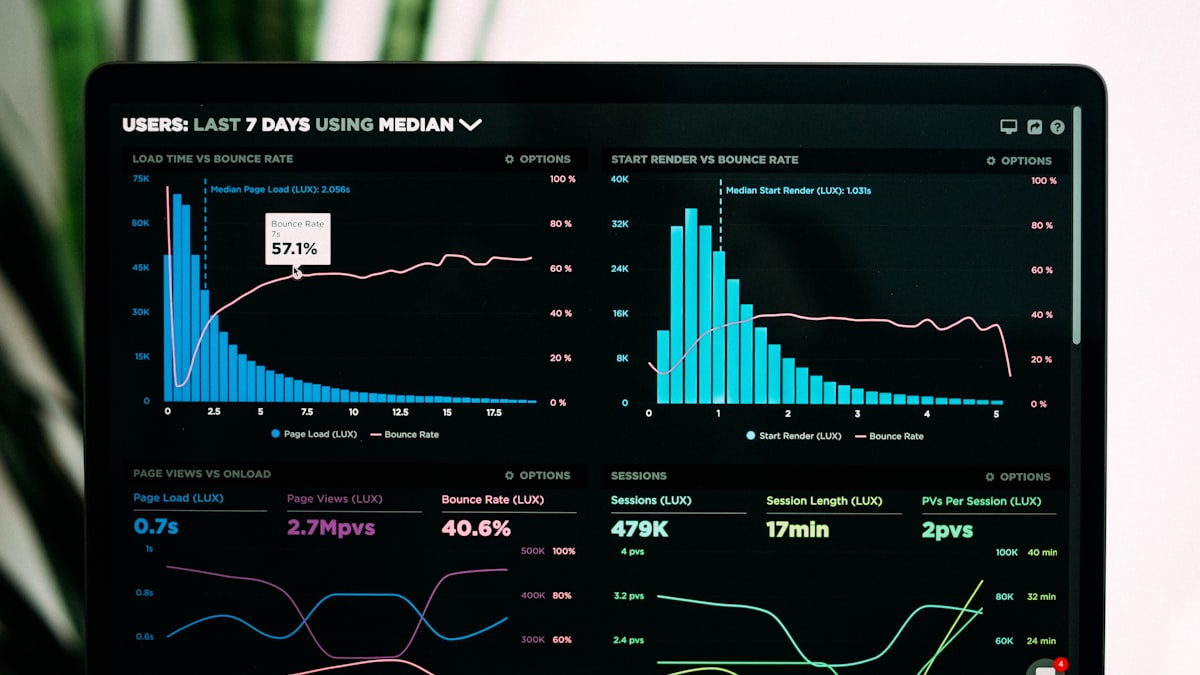
This is not analytics as dashboards and charts (though we have those too). This is analytics that finds patterns you did not know to look for and makes recommendations you can act on immediately.
What the AI Engine Does
Collection Analysis
The engine analyzes your entire collection against circulation data, interlibrary loan requests, and community demographics to identify:
- Gaps -- subject areas where demand outpaces your holdings
- Overstock -- items that have not circulated in years and occupy shelf space that could be used better
- Trending topics -- subjects showing increasing interest based on search queries, holds, and checkout velocity
This is not a replacement for a collection development librarian's judgment. It is a tool that surfaces the data they need to make better decisions, faster.
Demand Prediction
Using historical circulation patterns, hold queue data, and seasonal trends, the engine predicts demand for specific titles and subject areas up to 90 days out. This is particularly useful for:
- Bestseller management -- knowing how many copies to order before a title releases
- Academic reserves -- predicting course-related demand based on enrollment data
- Seasonal programming -- identifying collection needs tied to recurring events and programs
Operational Insights
Beyond collections, the engine analyzes operational patterns:
- Staffing recommendations based on hourly circulation and foot traffic data
- Branch performance comparisons normalized for community size and demographics
- Workflow bottleneck identification pinpointing where processes slow down
How We Built It
The AI engine runs on a combination of statistical models and machine learning. We deliberately avoided black-box approaches. Every recommendation includes an explanation of the underlying data and reasoning, so librarians can evaluate whether the suggestion makes sense for their context.
The engine processes data locally within your ERMLib instance. No patron data or circulation records are sent to external services. Privacy is non-negotiable.
Other v2.0 Updates
Beyond the AI engine, v2.0 includes:
- Redesigned reporting module with customizable report templates
- Enhanced OPAC with personalized recommendations for logged-in patrons
- Digital resource management for e-books, e-journals, and streaming media
- Improved accessibility bringing the entire platform to WCAG 2.2 AA compliance
Upgrade Path
Cloud-hosted instances will be upgraded automatically over the next two weeks. Self-hosted customers can download v2.0 from the customer portal. The upgrade requires a database migration that typically takes 10-30 minutes depending on catalog size.
We published a detailed upgrade guide and migration notes at docs.ermlib.com. As always, our support team is standing by.
This release represents everything we believe library technology should be: powerful, transparent, and built for the people who use it every day.