The Institution
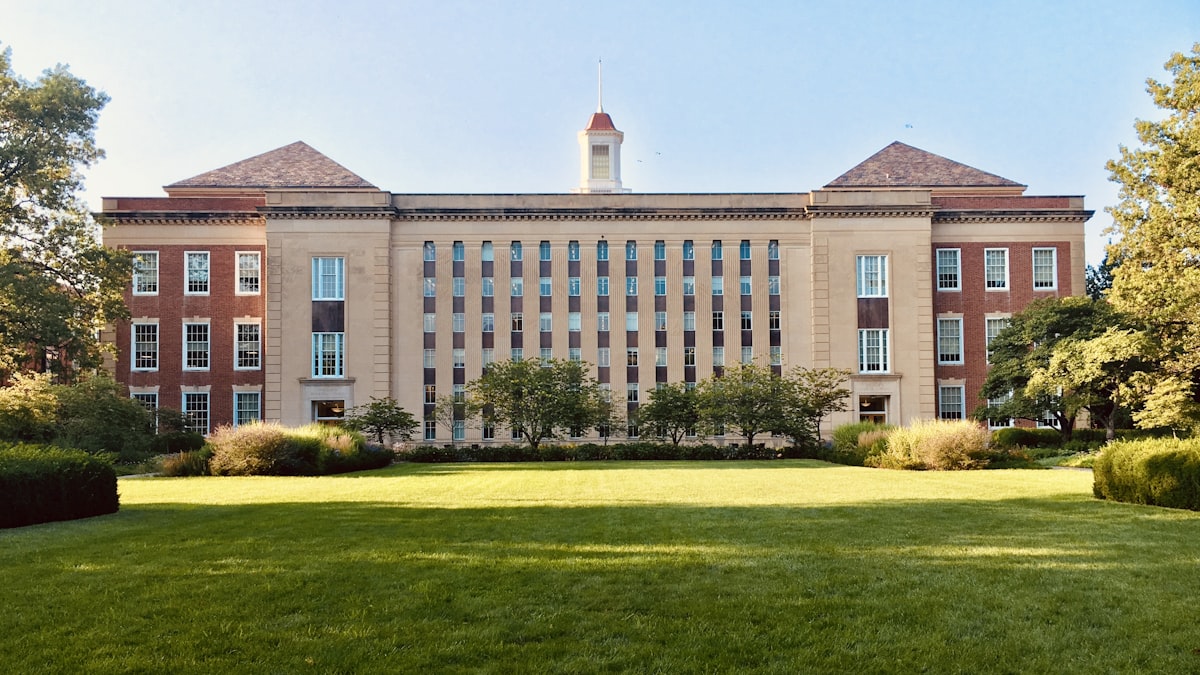
Bogazici University is one of Turkey's most prestigious research institutions, located on the European shore of the Bosphorus in Istanbul. The university library system includes a main library and four departmental libraries, serving approximately 15,000 students and 1,500 faculty members.
The collection spans 1.2 million items, including a significant rare books and manuscripts collection, extensive serial holdings, and a growing digital resource portfolio. The library processes over 800,000 circulations annually and manages subscriptions to more than 200 electronic databases.
The Problem
The library had been running a legacy ILS installed in 2009. Over fifteen years, the system had accumulated customizations, workarounds, and integrations that made it increasingly fragile. Key pain points included:
- Performance degradation -- catalog searches that once returned in under a second now took 4-6 seconds during peak hours
- No mobile support -- the OPAC was desktop-only, frustrating a student population that does nearly everything on their phones
- Limited API -- integration with the university's learning management system required a custom middleware layer that broke with every system update
- Vendor uncertainty -- the legacy vendor had been acquired twice in five years, and feature development had effectively stopped
The Selection Process
The library formed an evaluation committee of twelve members: librarians, IT staff, faculty representatives, and student government delegates. They assessed six platforms over eight months using a weighted scoring matrix covering functionality, scalability, standards compliance, API capabilities, and total cost of ownership.
ERMLib scored highest overall, with particular strengths in API design, multi-language support, and modern OPAC experience.
The Migration
Given the collection size and the need for uninterrupted service, the migration was planned in four phases over six months.
Phase 1: Data Preparation -- Three months of record cleanup, deduplication, and authority file reconciliation. The team identified and resolved over 45,000 duplicate records and standardized subject headings across five departmental catalogs.
Phase 2: Parallel Operation -- ERMLib was deployed alongside the legacy system. All new records were entered in both systems. Automated synchronization kept circulation data aligned.
Phase 3: Staff Training -- Two weeks of intensive training for 60 library staff members, organized by role: catalogers, circulation staff, reference librarians, and system administrators.
Phase 4: Cutover -- A weekend migration window during a semester break. The legacy system was locked at Friday 6 PM. By Monday morning, ERMLib was the system of record.
The Results
One year after migration, the library reported:
- Search response time under 500ms consistently, even during exam periods with peak concurrent usage
- Mobile OPAC usage at 62% of total searches -- students immediately adopted mobile access
- LMS integration completed in two weeks using ERMLib's REST API, replacing the custom middleware entirely
- Cataloging productivity up 28% due to improved copy cataloging via Z39.50 and batch processing tools
- Student satisfaction scores for library services increased by 18 points in the annual survey
Reflections
Head Librarian Dr. Aylin Kaya emphasized that the technical migration, while challenging, was not the hardest part. Changing staff workflows and habits required more patience than changing software. Her advice to other institutions: budget as much time for change management as you do for data migration.
The Bogazici experience demonstrates that even large, complex academic libraries can modernize without disrupting services -- but only with meticulous planning, realistic timelines, and deep involvement from the people who use the system every day.