The Challenge
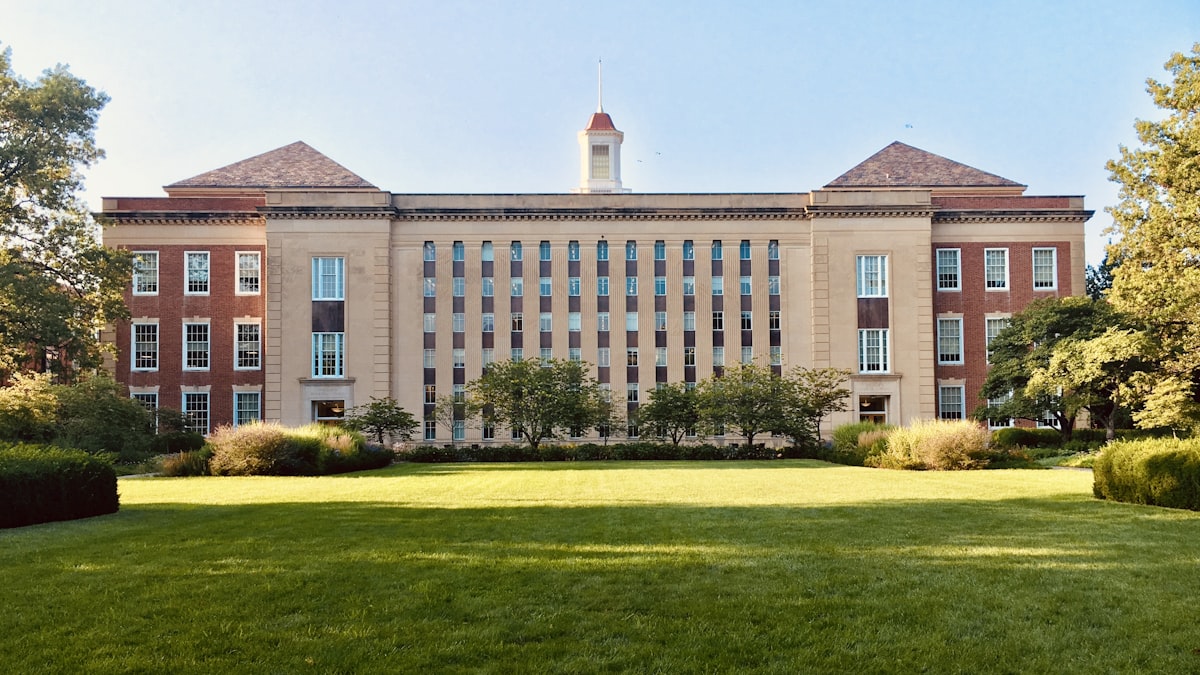
Westfield University is a mid-size research institution in the northeastern United States with three branch libraries: the main Harrington Library, the Science and Engineering Library, and the Whitman Fine Arts Library. Each branch had evolved independently, running different ILS platforms with incompatible data formats.
The result was predictable. Patrons could not see availability across branches without checking three separate catalogs. Interlibrary transfers involved manual email requests. Reporting required a staff member to pull data from three systems and merge it in a spreadsheet every month.
When the university launched a strategic plan emphasizing unified student services, the library director, Dr. Catherine Park, knew the technology had to change.
Why ERMLib
Westfield evaluated four platforms over six months. The deciding factors for ERMLib were:
- True multi-tenant architecture -- not bolted-on branch support, but a system designed from the ground up to handle multiple locations with shared and independent policies
- Migration support -- ERMLib's team provided hands-on assistance with data extraction, mapping, and validation from all three legacy systems
- API-first design -- the university's IT department needed to integrate the library catalog with the student portal and mobile app
The Migration
The migration happened in three phases over four months:
Phase 1: Data Consolidation -- Records from all three systems were exported, deduplicated, and normalized. Over 12,000 duplicate bibliographic records were identified and merged, reducing the combined catalog from 340,000 to 298,000 unique titles.
Phase 2: Configuration -- Each branch retained its own circulation policies, loan periods, and fine structures within ERMLib. Staff permissions were set up so branch managers could adjust their local settings without affecting other locations.
Phase 3: Go-Live -- A two-week parallel run let staff compare outputs between the old and new systems. After sign-off, the legacy systems were decommissioned.
The Results
Six months after go-live, Westfield reported measurable improvements:
- 35% reduction in cataloging time due to shared records and copy cataloging from a unified database
- Zero-delay cross-branch holds -- patrons now place holds across all locations from a single search
- Monthly reporting automated -- what took a full day now runs on a scheduled dashboard
- Staff satisfaction up -- an internal survey showed 82% of library staff rated the new system as easier to use than their previous tools
Lessons Learned
Dr. Park emphasized two things in her post-migration review. First, invest time in data cleanup before migration, not after. Second, involve frontline staff in testing early. The catalogers and circulation desk workers caught issues that leadership never would have noticed.
Westfield's experience shows that consolidation does not have to be disruptive. With the right planning and the right platform, it can be the thing that finally makes everything work together.