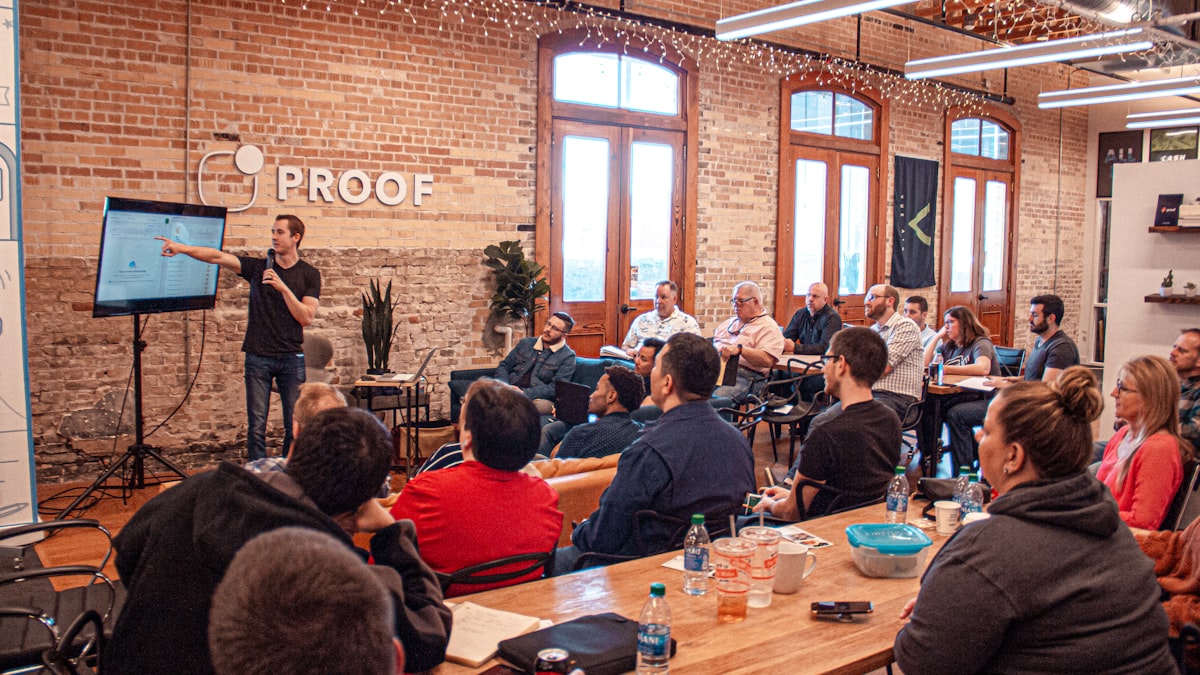
1,200 Registrations and Counting
Last month, we hosted a webinar on AI-powered collection development. We expected a few hundred attendees. We got 1,200 registrations and over 800 live participants. Clearly, this topic struck a nerve.
For those who could not attend live, here are the key themes and takeaways.
The Central Question
The webinar opened with a question that framed the entire discussion: should AI decide what books your library buys?
The unanimous answer from our panel -- which included a collection development librarian, a data scientist, and a library director -- was no. But that is not the interesting part. The interesting part is what AI can do short of making the decision.
What AI Does Well in Collection Development
Pattern Recognition at Scale
A collection development librarian can monitor trends in their area of expertise. But no human can simultaneously track circulation velocity across 50 subject areas, correlate it with interlibrary loan requests, cross-reference community demographic shifts, and compare against peer library holdings. AI can do all of that, continuously.
The ERMLib AI engine runs this analysis nightly and surfaces recommendations each morning. It does not say "buy this book." It says "demand in environmental science has increased 23% this quarter, your holdings-to-circulation ratio is below the peer average, and here are the most-requested titles you do not own."
Weeding Support
Weeding is one of the most contentious tasks in library work. AI helps by providing objective criteria: this item has not circulated in five years, there are four other copies in the consortium, and its subject area shows declining interest. The decision still belongs to the librarian, but the evidence is assembled for them.
Budget Optimization
When budgets are tight -- and they always are -- AI can model different allocation scenarios. What happens if you shift 10% of the monograph budget from print to digital? The engine simulates the impact on availability, wait times, and unmet demand.
What AI Does Poorly
The panel was equally candid about limitations:
- Community-specific needs that do not show up in circulation data (e.g., materials for a new immigrant community that has not yet discovered the library)
- Cultural and ethical judgment about what a library should collect regardless of demand
- Quality assessment of individual titles -- AI cannot read a book and decide if it is good
- Local knowledge that exists in a librarian's head but nowhere in a database
Audience Questions
The Q&A session ran 30 minutes over schedule. Top questions included:
- How do you prevent AI from reinforcing existing biases? The engine flags when recommendations skew heavily toward one demographic or subject area, prompting human review.
- Does this work for small libraries? Yes, but the recommendations improve with more data. Libraries with fewer than 50,000 circulations per year may find the predictions less precise.
- What about patron privacy? The AI engine works with aggregate circulation data, never individual patron records. No borrowing history is tied to identifiable patrons.
Watch the Recording
The full webinar recording is available in the ERMLib Learning Hub under Events > Past Webinars. We are planning follow-up sessions on AI-assisted cataloging and predictive analytics for programming. If you want to be notified when registration opens, subscribe to our newsletter.