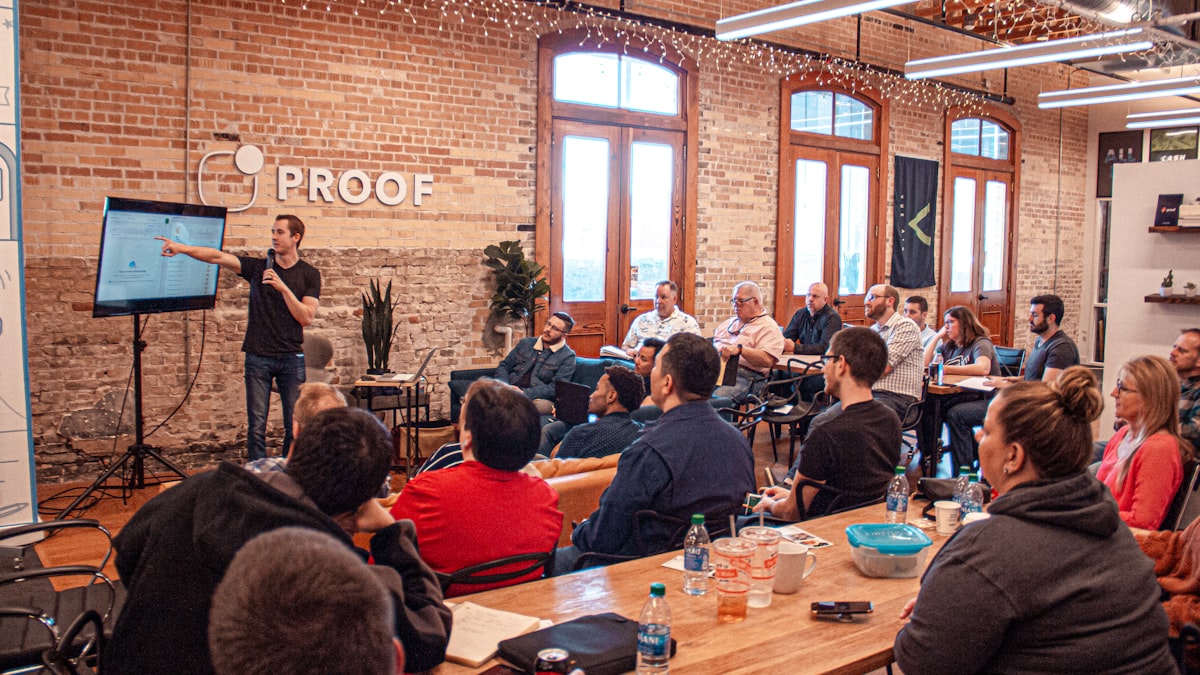
On March 27, we hosted a webinar with panelists from three library systems exploring what it actually means to be a digital-first library. Over 400 registrants joined live, and the conversation surfaced insights worth sharing with the broader community.
Watch the Recording The full webinar recording is available for registered ERMLib users through the customer portal.
What Digital-First Actually Means
The panel quickly established that digital-first does not mean digital-only. It means designing patron experiences so that digital channels are the default entry point, while physical services remain fully available for those who prefer them or lack reliable internet access.
In practice, this looks like a library where patrons can discover, reserve, and access most services from their phone before they ever walk through the door. The physical visit becomes intentional rather than obligatory.
Three Takeaways from the Panel
1. Start With the Patron Journey, Not the Technology
Laura Kim from the Denver Public Library described how her team mapped every patron interaction, from discovering a title to returning a physical item, and identified which steps created unnecessary friction. The answer was not always a new app or feature. Sometimes it was simplifying a webpage, adding a text notification, or placing a self-checkout kiosk closer to the entrance.
2. Staff Adoption Matters More Than Patron Adoption
Michael Torres from the Houston Public Library shared a counterintuitive finding: the biggest barrier to digital transformation was not patron resistance, it was staff uncertainty. When frontline staff do not feel confident with digital tools, they default to manual processes and inadvertently steer patrons toward analog workflows. Houston invested heavily in staff training cohorts and saw digital service adoption rise 35 percent within six months.
3. Measure What Matters
Priya Chandran from the State Library of Victoria emphasized that digital-first metrics should go beyond website traffic and app downloads. Her team tracks task completion rate (can a patron complete their goal without calling or visiting?), digital hold conversion rate, and time-to-service for remote requests. These metrics reveal whether digital channels are genuinely serving patrons or just adding complexity.
Audience Questions That Stood Out
The most engaging audience question asked how small rural libraries with limited IT staff can pursue a digital-first strategy. The panel agreed that hosted cloud platforms, like ERMLib, reduce the infrastructure burden dramatically. The real investment is in staff training and community outreach, not in servers and sysadmins.
Another attendee asked about accessibility. The panel stressed that digital-first must be accessible-first. If your digital catalog is not usable with a screen reader, moving more services online actually excludes patrons rather than including them.
Watch the Recording
If you missed the live session, the full recording is available in our resource library. We will announce our next webinar topic in May, focusing on multi-branch management strategies for growing library systems.