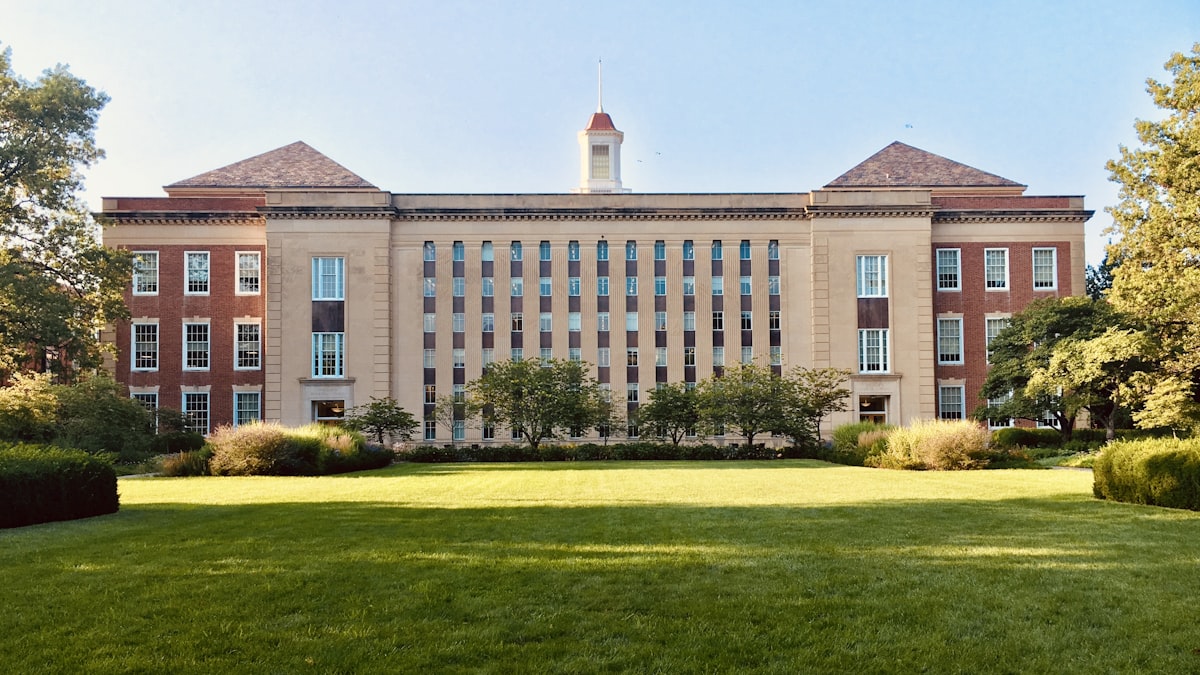
The National Library Board of Singapore operates 28 public libraries serving a population of nearly six million. When the organization decided to replace its aging integrated library system, the project touched every branch, every staff member, and every patron interaction. Here is how they approached it.
The Problem
Before the migration, the library network ran on a patchwork of three different systems acquired through mergers and expansions over two decades. Cataloging staff maintained separate authority files for each system. A title cataloged at the Jurong Regional Library might carry different subject headings than the same title at the Woodlands Regional Library. Reporting required manual reconciliation across all three databases, and real-time hold routing between branches was impossible.
 The National Library of Singapore unified all 28 branches on a single platform
Why ERMLib
After an 18-month evaluation that included four vendors, the team selected ERMLib for three reasons:
- Multi-tenant architecture: A single deployment with branch-level configuration meant all 28 locations could share a unified catalog while preserving local policies for loan periods, fines, and holiday schedules.
- MARC and BIBFRAME support: The library needed to maintain legacy MARC records while gradually adopting BIBFRAME for new acquisitions. ERMLib's dual-format metadata engine handled both without conversion loss.
- API-first design: The team planned to integrate ERMLib with their existing patron mobile app, self-checkout kiosks, and the national digital identity system. REST and GraphQL endpoints made that feasible without custom middleware.
The Migration
The migration was executed in three phases over 14 months:
- Phase 1: Central reference libraries and administrative headquarters.
- Phase 2: Regional libraries with the highest circulation volumes.
- Phase 3: Community libraries, children's libraries, and the library@harbourfront pop-up space.
Each phase followed a two-week cutover window: one week for data migration and validation, one week for parallel operation with the legacy system as a fallback.
Results After 12 Months
The numbers speak for themselves:
- 60% reduction in cataloging overhead: Shared authority files and automated duplicate detection eliminated redundant work across branches.
- Real-time hold routing: Patrons now see accurate availability across all branches and can place holds that trigger the most efficient delivery path.
- Unified reporting: Monthly board reports that previously took three days to compile now generate in under five minutes.
- 99.97% uptime: Over the first 12 months, the system experienced only two brief maintenance windows.
Lessons Learned
The team emphasized three takeaways for other large-scale migrations:
First, invest heavily in data cleanup before migration, not during. The six months they spent normalizing patron records and deduplicating catalog entries before the first cutover saved months of post-migration corrections.
Second, designate branch champions. Each location had a staff member trained as a super-user who fielded questions and reduced the load on the central IT team.
Third, plan for emotional resistance. Some veteran staff had used the legacy system for 15 years. Hands-on workshops that showed how daily tasks were faster in ERMLib were more effective than slide decks about system architecture.